

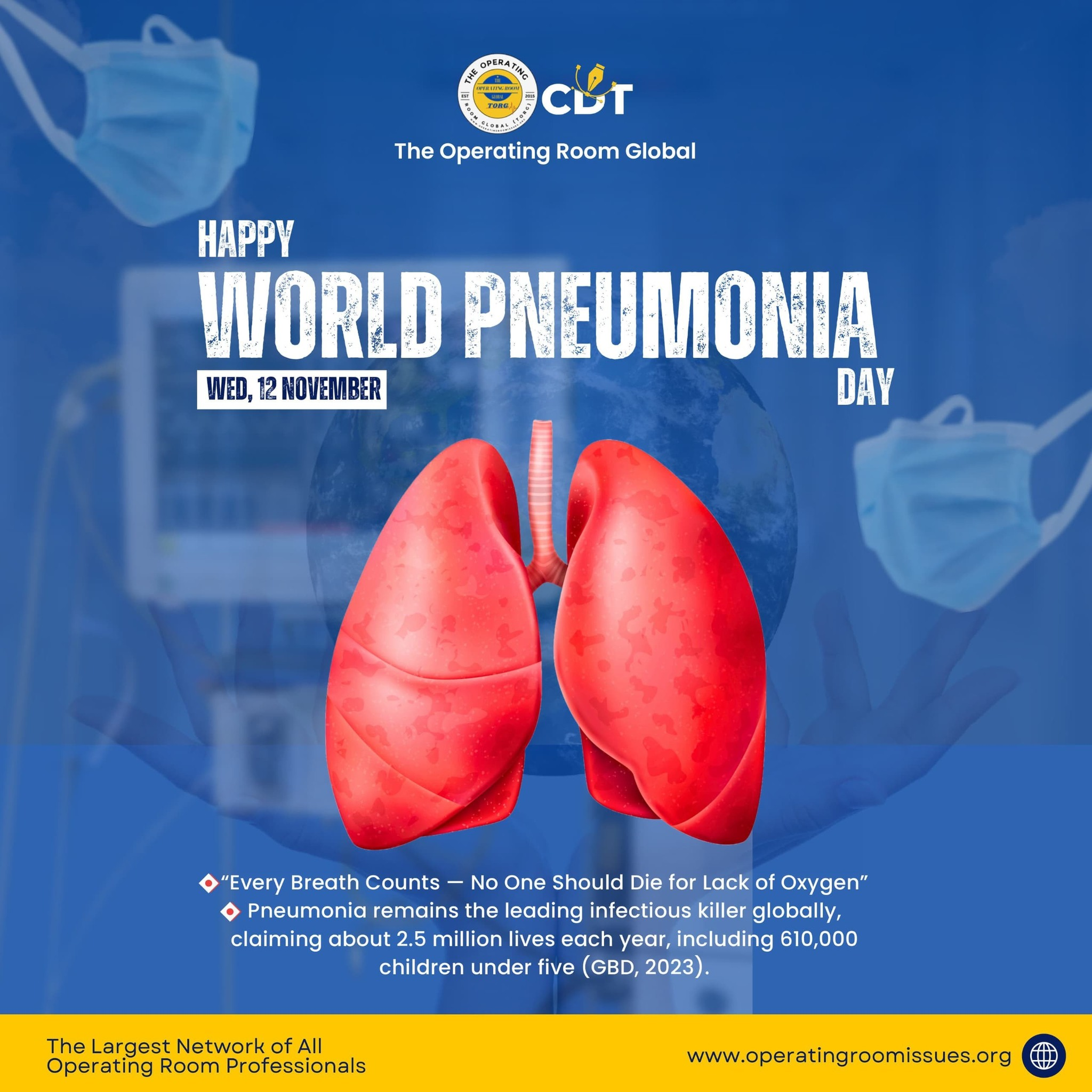
 𝗪𝗼𝗿𝗹𝗱 𝗣𝗻𝗲𝘂𝗺𝗼𝗻𝗶𝗮 𝗗𝗮𝘆 𝟮𝟬𝟮𝟱: 𝗙𝗿𝗼𝗺 “𝗧𝗵𝗲 𝗢𝗹𝗱 𝗠𝗮𝗻’𝘀 𝗙𝗿𝗶𝗲𝗻𝗱” 𝘁𝗼 𝗮 𝗚𝗹𝗼𝗯𝗮𝗹 𝗙𝗼𝗲
“𝑃𝑛𝑒𝑢𝑚𝑜𝑛𝑖𝑎 𝑚𝑎𝑦 𝑤𝑒𝑙𝑙 𝑏𝑒 𝑐𝑎𝑙𝑙𝑒𝑑 𝑡ℎ𝑒 𝑓𝑟𝑖𝑒𝑛𝑑 𝑜𝑓 𝑡ℎ𝑒 𝑎𝑔𝑒𝑑.” — 𝙎𝙞𝙧 𝙒𝙞𝙡𝙡𝙞𝙖𝙢 𝙊𝙨𝙡𝙚𝙧, 1901
Over a century ago, Sir William Osler, one of the founders of modern medicine, described pneumonia as “𝑡ℎ𝑒 𝑜𝑙𝑑 𝑚𝑎𝑛’𝑠 𝑓𝑟𝑖𝑒𝑛𝑑”—𝑎 𝑝𝑒𝑎𝑐𝑒𝑓𝑢𝑙 𝑐𝑜𝑚𝑝𝑎𝑛𝑖𝑜𝑛 𝑡𝑜 𝑡ℎ𝑜𝑠𝑒 𝑎𝑡 𝑡ℎ𝑒 𝑡𝑤𝑖𝑙𝑖𝑔ℎ𝑡 𝑜𝑓 𝑙𝑖𝑓𝑒 (Springer, 2024). In an era with few curative tools, his statement reflected medicine’s resignation to pneumonia’s inevitability.
Yet, in the 21st century, that “friend” has become one of humanity’s deadliest foes. Pneumonia remains the 𝒘𝒐𝒓𝒍𝒅’𝒔 𝒍𝒆𝒂𝒅𝒊𝒏𝒈 𝒊𝒏𝒇𝒆𝒄𝒕𝒊𝒐𝒖𝒔 𝒌𝒊𝒍𝒍𝒆𝒓, claiming an estimated 2.5 𝒎𝒊𝒍𝒍𝒊𝒐𝒏 𝒍𝒊𝒗𝒆𝒔 – 𝒊𝒏𝒄𝒍𝒖𝒅𝒊𝒏𝒈 610,000 𝒄𝒉𝒊𝒍𝒅𝒓𝒆𝒏 𝒖𝒏𝒅𝒆𝒓 𝒇𝒊𝒗𝒆 – according to the 2023 Global Burden of Disease estimates (The Lancet, 2024).
 𝗔 𝗕𝗿𝗶𝗲𝗳 𝗛𝗶𝘀𝘁𝗼𝗿𝘆 𝗼𝗳 𝗣𝗻𝗲𝘂𝗺𝗼𝗻𝗶𝗮
The term pneumonia stems from the Greek 𝑝𝑛𝑒𝑢𝑚𝑜𝑛, meaning lung. Ancient physicians recognized it as a formidable illness long before the discovery of bacteria.
Before the 𝑎𝑛𝑡𝑖𝑏𝑖𝑜𝑡𝑖𝑐 𝑒𝑟𝑎, physicians relied on rest, herbal remedies, and rudimentary supportive care. The turning point came in 1928, when 𝐴𝑙𝑒𝑥𝑎𝑛𝑑𝑒𝑟 𝐹𝑙𝑒𝑚𝑖𝑛𝑔 discovered 𝑝𝑒𝑛𝑖𝑐𝑖𝑙𝑙𝑖𝑛, followed by widespread antibiotic use in the 1940s. Pneumonia, once a death sentence, became curable, dramatically improving global survival rates.
However, this medical triumph has gradually eroded. Overreliance and misuse of antibiotics have fueled a new enemy: 𝑨𝒏𝒕𝒊𝒎𝒊𝒄𝒓𝒐𝒃𝒊𝒂𝒍 𝑹𝒆𝒔𝒊𝒔𝒕𝒂𝒏𝒄𝒆 (𝑨𝑴𝑹).

 𝗧𝗵𝗲 𝗕𝗶𝘁𝘁𝗲𝗿 𝗧𝘂𝗿𝗻: 𝗔𝗻𝘁𝗶𝗺𝗶𝗰𝗿𝗼𝗯𝗶𝗮𝗹 𝗥𝗲𝘀𝗶𝘀𝘁𝗮𝗻𝗰𝗲 𝗮𝗻𝗱 𝗩𝗮𝗰𝗰𝗶𝗻𝗲 𝗚𝗮𝗽𝘀
Antimicrobial resistance now threatens to reverse nearly a century of progress. Some pneumonia-causing bacteria—such as Streptococcus pneumoniae and Klebsiella pneumoniae—are increasingly resistant to commonly available antibiotics. The WHO warns that this trend could render standard treatments ineffective within decades if unchecked.
At the same time, inequitable access to vaccines continues to cost lives. The pneumococcal conjugate vaccine (PCV) and the Haemophilus influenzae type b (Hib) vaccine can prevent a large share of pneumonia deaths, yet millions of children remain unvaccinated due to cost, supply, and systemic barriers.
𝑰𝒏 2021, 𝒇𝒊𝒗𝒆 𝒎𝒂𝒋𝒐𝒓 𝒑𝒂𝒕𝒉𝒐𝒈𝒆𝒏𝒔 𝒘𝒆𝒓𝒆 𝒓𝒆𝒔𝒑𝒐𝒏𝒔𝒊𝒃𝒍𝒆 𝒇𝒐𝒓 𝒂𝒑𝒑𝒓𝒐𝒙𝒊𝒎𝒂𝒕𝒆𝒍𝒚 60% 𝒐𝒇 𝒄𝒉𝒊𝒍𝒅𝒉𝒐𝒐𝒅 𝒑𝒏𝒆𝒖𝒎𝒐𝒏𝒊𝒂 𝒅𝒆𝒂𝒕𝒉𝒔—𝑺𝒕𝒓𝒆𝒑𝒕𝒐𝒄𝒐𝒄𝒄𝒖𝒔 𝒑𝒏𝒆𝒖𝒎𝒐𝒏𝒊𝒂𝒆 (28%), 𝑺𝒕𝒂𝒑𝒉𝒚𝒍𝒐𝒄𝒐𝒄𝒄𝒖𝒔 𝒂𝒖𝒓𝒆𝒖𝒔 (10%), 𝑲𝒍𝒆𝒃𝒔𝒊𝒆𝒍𝒍𝒂 𝒑𝒏𝒆𝒖𝒎𝒐𝒏𝒊𝒂𝒆 (9%), 𝒓𝒆𝒔𝒑𝒊𝒓𝒂𝒕𝒐𝒓𝒚 𝒔𝒚𝒏𝒄𝒚𝒕𝒊𝒂𝒍 𝒗𝒊𝒓𝒖𝒔 (6%), 𝒂𝒏𝒅 𝑰𝒏𝒇𝒍𝒖𝒆𝒏𝒛𝒂 (5%). 𝑻𝒉𝒓𝒆𝒆 𝒐𝒇 𝒕𝒉𝒆𝒔𝒆 𝒑𝒂𝒕𝒉𝒐𝒈𝒆𝒏𝒔—𝑺. 𝒑𝒏𝒆𝒖𝒎𝒐𝒏𝒊𝒂𝒆, 𝑹𝑺𝑽, 𝒂𝒏𝒅 𝑰𝒏𝒇𝒍𝒖𝒆𝒏𝒛𝒂—𝒂𝒓𝒆 𝒏𝒐𝒘 𝒗𝒂𝒄𝒄𝒊𝒏𝒆-𝒑𝒓𝒆𝒗𝒆𝒏𝒕𝒂𝒃𝒍𝒆, 𝒘𝒉𝒊𝒍𝒆 𝒂 𝒗𝒂𝒄𝒄𝒊𝒏𝒆 𝒇𝒐𝒓 𝑲. 𝒑𝒏𝒆𝒖𝒎𝒐𝒏𝒊𝒂𝒆 𝒓𝒆𝒎𝒂𝒊𝒏𝒔 𝒖𝒏𝒅𝒆𝒓 𝒅𝒆𝒗𝒆𝒍𝒐𝒑𝒎𝒆𝒏𝒕. (Every Breath Counts Coalition, 2024).
 𝗖𝘂𝗿𝗿𝗲𝗻𝘁 𝗧𝗿𝗲𝗮𝘁𝗺𝗲𝗻𝘁 𝗮𝗻𝗱 𝗘𝘃𝗼𝗹𝘃𝗶𝗻𝗴 𝗖𝗮𝗿𝗲
Pneumonia management depends on early diagnosis, appropriate antibiotics, and supportive care, especially oxygen therapy.
Yet, access to oxygen remains alarmingly limited in many low- and middle-income countries (LMICs). A Lancet study found that 31% 𝒐𝒇 𝒄𝒉𝒊𝒍𝒅𝒓𝒆𝒏 𝒉𝒐𝒔𝒑𝒊𝒕𝒂𝒍𝒊𝒛𝒆𝒅 𝒘𝒊𝒕𝒉 𝒑𝒏𝒆𝒖𝒎𝒐𝒏𝒊𝒂 𝒊𝒏 𝑳𝑴𝑰𝑪𝒔 𝒉𝒂𝒗𝒆 𝒉𝒚𝒑𝒐𝒙𝒂𝒆𝒎𝒊𝒂—a low blood-oxygen condition that often goes untreated due to lack of oxygen supplies (The Lancet, 2022).
UNICEF emphasizes that improving oxygen delivery systems could halve hospital-based pneumonia deaths worldwide (UNICEF, 2024). Despite technological progress, resource inequities still determine who lives and who dies.

 𝗘𝘃𝗼𝗹𝘃𝗶𝗻𝗴 𝗠𝗲𝗱𝗶𝗰𝗶𝗻𝗲 — 𝗬𝗲𝘁 𝘁𝗵𝗲 𝗧𝗵𝗿𝗲𝗮𝘁 𝗣𝗲𝗿𝘀𝗶𝘀𝘁𝘀
Medicine has advanced from the days of Osler’s stethoscope to AI-powered imaging that can detect pneumonia within seconds. AI-enhanced chest X-rays and digital diagnostics are transforming early detection, particularly where radiologists are scarce.
However, technology alone cannot save lives without access. Many health centers in sub-Saharan Africa and South Asia lack basic imaging, electricity, or trained personnel.
The challenge, therefore, is not innovation itself—but equitable innovation. Pneumonia’s persistence in an era of medical marvels underscores global health inequality more than microbial invincibility.

 𝗣𝗿𝗲𝘃𝗲𝗻𝘁𝗶𝗼𝗻: 𝗣𝗿𝗼𝘁𝗲𝗰𝘁𝗶𝗻𝗴 𝘁𝗵𝗲 𝗢𝗹𝗱 𝗮𝗻𝗱 𝗬𝗼𝘂𝗻𝗴
Prevention remains the cornerstone of pneumonia control.
For children, routine immunization with PCV, Hib, and measles vaccines, coupled with exclusive breastfeeding, adequate nutrition, and clean air, can prevent most cases.
For adults, influenza and pneumococcal vaccines, smoking cessation, and management of chronic illnesses like asthma and diabetes significantly reduce risk.
Equally vital is awareness—recognizing signs such as rapid breathing, chest pain, persistent cough, or bluish lips should prompt immediate medical evaluation. Early instinct to seek care remains one of the most powerful lifesaving tools.
 𝗜𝗻𝗻𝗼𝘃𝗮𝘁𝗶𝗼𝗻 𝗮𝗻𝗱 𝗔𝗱𝘃𝗼𝗰𝗮𝗰𝘆: 𝗧𝗵𝗲 𝗪𝗮𝘆 𝗙𝗼𝗿𝘄𝗮𝗿𝗱
The future of pneumonia control lies in a balance between science and systems.
We must:
1. 𝐄𝐱𝐩𝐚𝐧𝐝 𝐚𝐜𝐜𝐞𝐬𝐬𝐢𝐛𝐢𝐥𝐢𝐭𝐲 — Bring AI-enhanced imaging, oxygen concentrators, and digital diagnostic tools to underserved areas.
2. 𝐒𝐭𝐫𝐞𝐧𝐠𝐭𝐡𝐞𝐧 𝐬𝐭𝐞𝐰𝐚𝐫𝐝𝐬𝐡𝐢𝐩 — Combat antimicrobial misuse through education, regulation, and awareness.
3. 𝐂𝐡𝐚𝐦𝐩𝐢𝐨𝐧 𝐚𝐝𝐯𝐨𝐜𝐚𝐜𝐲 — Demand global investment in vaccine coverage, oxygen infrastructure, and technology equity.
AI-powered imaging and telehealth platforms are already being piloted in LMICs to improve pneumonia detection—proof that innovation, when inclusive, can transform outcomes.
 𝗔 𝗖𝗮𝗹𝗹 𝘁𝗼 𝗔𝗰𝘁𝗶𝗼𝗻 — 𝗧𝗵𝗲 𝗥𝗼𝗹𝗲 𝗼𝗳 𝗧𝗢𝗥𝗚
As a global network of healthcare professionals, 𝐓𝐡𝐞 𝐎𝐩𝐞𝐫𝐚𝐭𝐢𝐧𝐠 𝐑𝐨𝐨𝐦 𝐆𝐥𝐨𝐛𝐚𝐥 (𝐓𝐎𝐑𝐆) recognizes that the fight against pneumonia extends beyond the operating theatre. TORG’s advocacy for health equity, innovation, and capacity building aligns with the global vision of ensuring that every person—regardless of geography—has access to life-saving respiratory care.
𝐎𝐧 𝐭𝐡𝐢𝐬 𝐖𝐨𝐫𝐥𝐝 𝐏𝐧𝐞𝐮𝐦𝐨𝐧𝐢𝐚 𝐃𝐚𝐲, 𝐓𝐎𝐑𝐆 joins voices worldwide to declare:
“𝑬𝒗𝒆𝒓𝒚 𝒃𝒓𝒆𝒂𝒕𝒉 𝒄𝒐𝒖𝒏𝒕𝒔—𝒂𝒏𝒅 𝒏𝒐 𝒐𝒏𝒆 𝒔𝒉𝒐𝒖𝒍𝒅 𝒅𝒊𝒆 𝒇𝒐𝒓 𝒍𝒂𝒄𝒌 𝒐𝒇 𝒐𝒏𝒆.”
Let this be a renewed call for collaboration, innovation, and compassion—because 𝑡ℎ𝑒 𝑟𝑖𝑔ℎ𝑡 𝑡𝑜 𝑏𝑟𝑒𝑎𝑡ℎ𝑒 𝑓𝑟𝑒𝑒𝑙𝑦 𝑠ℎ𝑜𝑢𝑙𝑑 𝑛𝑒𝑣𝑒𝑟 𝑑𝑒𝑝𝑒𝑛𝑑 𝑜𝑛 𝑤ℎ𝑒𝑟𝑒 𝑜𝑛𝑒 𝑖𝑠 𝑏𝑜𝑟𝑛.
𝐉𝐨𝐢𝐧 𝐎𝐮𝐫 𝐆𝐥𝐨𝐛𝐚𝐥 𝐂𝐨𝐦𝐦𝐮𝐧𝐢𝐭𝐲!
The Operating Room Global (TORG)
𝑇ℎ𝑒 𝐿𝑎𝑟𝑔𝑒𝑠𝑡 𝑁𝑒𝑡𝑤𝑜𝑟𝑘 𝑜𝑓 𝑎𝑙𝑙 𝑂𝑝𝑒𝑟𝑎𝑡𝑖𝑛𝑔 𝑅𝑜𝑜𝑚 𝑃𝑟𝑜𝑓𝑒𝑠𝑠𝑖𝑜𝑛𝑎𝑙𝑠 𝑖𝑛 𝑂𝑛𝑒 𝑃𝑙𝑎𝑐𝑒!
https://linktr.ee/operatingroomissues
#TORG #theoperatingroomglobal #operatingroomissues
#WorldPneumoniaDay #EndPneumonia #HealthForAll #AntimicrobialResistance #VaccineEquity #RightToBreathe