

𝗧𝗼 𝗖𝘂𝘁 𝗶𝘀 𝘁𝗼 𝗖𝘂𝗿𝗲 — 𝗦𝘂𝗿𝗴𝗲𝗿𝘆, 𝗧𝗼𝗺𝗼𝗽𝗵𝗼𝗯𝗶𝗮, 𝗮𝗻𝗱 𝘁𝗵𝗲 𝗕𝘂𝗿𝗱𝗲𝗻 𝗼𝗳 𝗦𝘁𝗶𝗴𝗺𝗮 𝗮𝗻𝗱 𝗙𝗲𝗮𝗿
𝑴𝒐𝒓𝒆 𝒕𝒉𝒂𝒏 𝒕𝒘𝒐 𝒕𝒉𝒐𝒖𝒔𝒂𝒏𝒅 𝒚𝒆𝒂𝒓𝒔 𝒂𝒈𝒐, 𝑯𝒊𝒑𝒑𝒐𝒄𝒓𝒂𝒕𝒆𝒔 𝒅𝒆𝒄𝒍𝒂𝒓𝒆𝒅, “𝑻𝒐 𝒄𝒖𝒕 𝒊𝒔 𝒕𝒐 𝒄𝒖𝒓𝒆.” ✂️❤️ This timeless phrase reflects the very essence of surgery: it is not merely about cutting, but about healing, restoring, and giving patients another chance at life. 💉✨ Surgery stands as one of the greatest triumphs of medicine — from lifesaving cesarean sections and appendectomies to hernia repairs, trauma management, and organ transplants. Each procedure represents courage, precision, and the relentless pursuit of life over disease. 🌍🩺
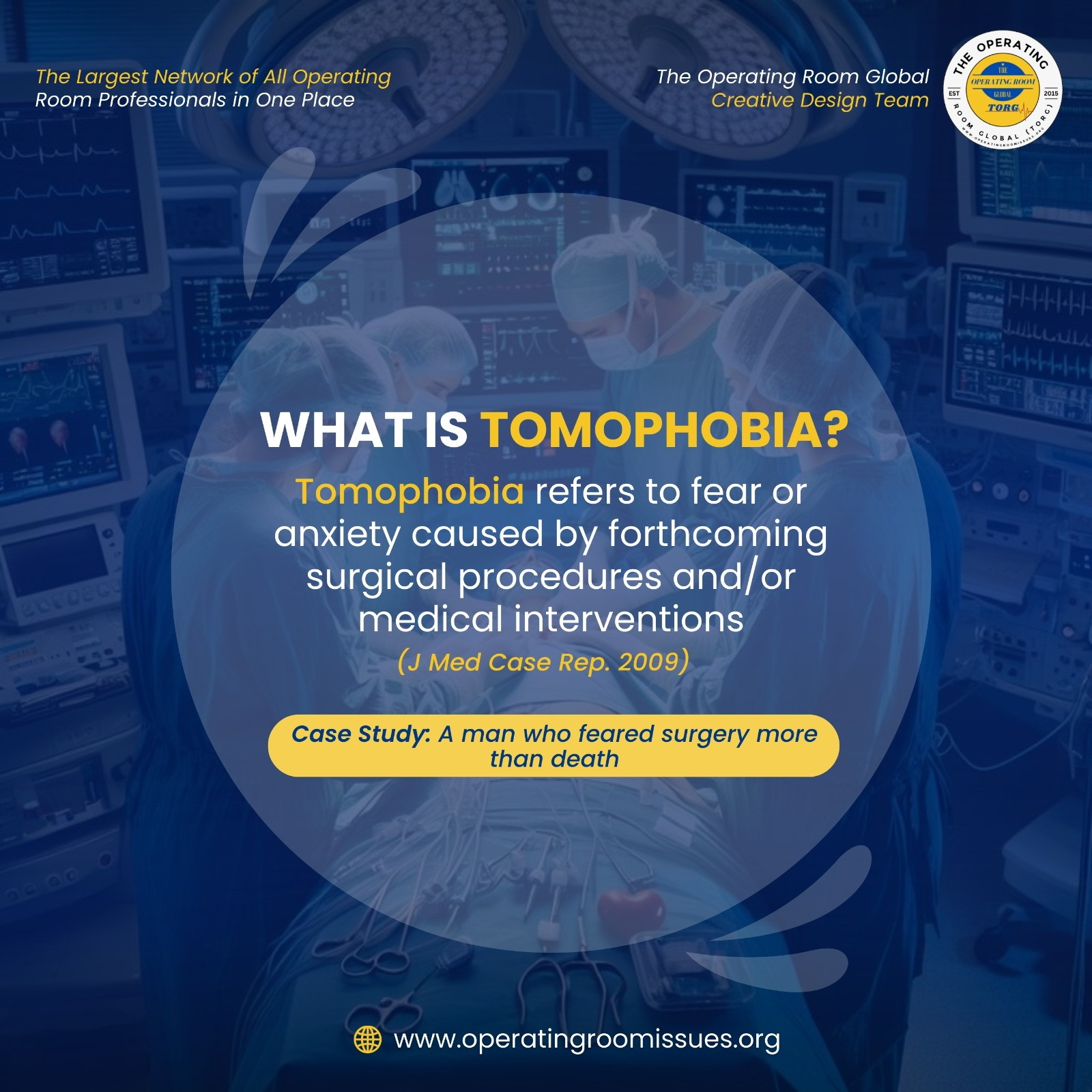
Yet, despite its undeniable impact, surgery often carries with it a heavy cloak of fear, suspicion, and stigma. 😔 This irrational dread, known in medicine as tomophobia, can prevent patients from accepting surgical care even when their lives depend on it.

𝗔 𝗖𝗮𝘀𝗲 𝗦𝘁𝘂𝗱𝘆
𝗔 𝗠𝗮𝗻 𝗪𝗵𝗼 𝗙𝗲𝗮𝗿𝗲𝗱 𝗦𝘂𝗿𝗴𝗲𝗿𝘆 𝗠𝗼𝗿𝗲 𝗧𝗵𝗮𝗻 𝗗𝗲𝗮𝘁𝗵
Doctors in Germany 🇩🇪 once reported the case of a 69-year-old man who was rushed to the hospital after developing chest pain and severe shortness of breath. Tests confirmed that he had suffered a heart attack 💔, and scans showed that his heart arteries were badly blocked. The doctors told him he urgently needed bypass surgery to save his life.
But instead of agreeing, the man was overcome with intense fear and panic. 😨 He could not bear the thought of being unconscious on an operating table, unable to control what was happening to his body. He felt terrified of putting his life in the hands of surgeons and anesthetists. Despite knowing the risks, he refused the operation.
This was not the first time he had avoided surgery. For over 20 years, he had lived with a painful hip condition that left one of his legs shorter and made it difficult to walk. 🦵 Later, he also developed a large hernia, but he refused surgery for both problems. His fear of operations was stronger than his hope for relief.
Psychiatrists later diagnosed him with tomophobia — an irrational and overwhelming fear of surgery and invasive medical procedures. 🧠 He admitted that he felt ashamed of his fear, but he still could not overcome it. Even after treatment with medications and therapy, he continued to reject the heart operation.
In the end, this man’s story shows how powerful tomophobia can be: 𝒉𝒆 𝒇𝒆𝒂𝒓𝒆𝒅 𝒔𝒖𝒓𝒈𝒆𝒓𝒚 𝒎𝒐𝒓𝒆 𝒕𝒉𝒂𝒏 𝒅𝒆𝒂𝒕𝒉 𝒊𝒕𝒔𝒆𝒍𝒇.

𝗧𝗵𝗲 𝗡𝗶𝗴𝗲𝗿𝗶𝗮𝗻 𝗥𝗲𝗮𝗹𝗶𝘁𝘆 — 𝗪𝗵𝗲𝗿𝗲 𝗖𝘂𝗹𝘁𝘂𝗿𝗲 𝗮𝗻𝗱 𝗙𝗲𝗮𝗿 𝗖𝗹𝗮𝘀𝗵 𝘄𝗶𝘁𝗵 𝗦𝗰𝗶𝗲𝗻𝗰𝗲
I am Matthew, a 5th-year medical student in Nigeria 🇳🇬, a lower-middle-income country where cultural and religious beliefs run deep. ⛪✨ Time and again, I have witnessed the stigma and fear surrounding surgery. To many, the mere suggestion of a surgical intervention feels like a sentence of doom. ⚰️
Responses like:
“𝑮𝒐𝒅 𝒇𝒐𝒓𝒃𝒊𝒅.” 🙏
“𝑰 𝒓𝒆𝒃𝒖𝒌𝒆 𝒊𝒕.” ✋
…are common reactions when surgery is mentioned, even for routine and relatively safe procedures like appendectomy, hernia repair, or cesarean section (CS).
In Nigeria, women who undergo cesarean sections are often cruelly branded as “𝙡𝙖𝙯𝙮” or “𝙬𝙚𝙖𝙠,” 😡 as though their womanhood and strength are diminished because they did not deliver vaginally. 🤱 This stigma extends beyond Nigeria into many cultures, where CS is seen not as a lifesaving intervention, but as a mark of failure.
The myths run even deeper — some individuals genuinely believe that surgeons are members of occult groups 🕯️🔮, and that stepping into the operating room risks being used for rituals. These dangerous narratives have fueled an environment where fear is preached louder than science. 📢
𝗧𝗵𝗲 𝗦𝗶𝗹𝗲𝗻𝘁 𝗪𝗲𝗶𝗴𝗵𝘁 𝗼𝗳 𝗙𝗲𝗮𝗿
What makes this worse is that not all who reject surgery fit neatly into the medical diagnosis of tomophobia. Instead, they are ordinary people whose fears have been shaped by cultural storytelling, misinformation, and social stigma. 🗣️❌
These individuals arrive at the hospital seeking care. 🏥 But once surgical intervention is recommended, they leave heartbroken 💔, defeated, and determined to seek alternative “spiritual” solutions — prayers, fasting, faith rituals — while silently deciding to live with their illness. Some even vow never to step into a hospital again. 🚫
This has devastating consequences:
🔹 Pregnant women lose their lives during obstructed labor because they refused a CS. 🤰⚠️
🔹 Children suffer lifelong complications from untreated hernias. 👶
🔹 Young adults die from appendicitis that could have been treated with a simple appendectomy. 🧑⚕️
All because of fear. 😞
𝗦𝘂𝗿𝗴𝗲𝗿𝘆 𝗶𝘀 𝗡𝗼𝘁 𝗮 𝗗𝗲𝗮𝘁𝗵 𝗦𝗲𝗻𝘁𝗲𝗻𝗰𝗲
𝘼𝙩 𝙏𝙝𝙚 𝙊𝙥𝙚𝙧𝙖𝙩𝙞𝙣𝙜 𝙍𝙤𝙤𝙢 𝙂𝙡𝙤𝙗𝙖𝙡 (𝙏𝙊𝙍𝙂), we stand firmly against the stigma and fear surrounding surgical care. 🛑🩺 𝑺𝒖𝒓𝒈𝒆𝒓𝒚 𝒊𝒔 𝒏𝒐𝒕 𝒂 𝒈𝒂𝒎𝒃𝒍𝒆 𝒐𝒇 𝒍𝒊𝒇𝒆 𝒂𝒏𝒅 𝒅𝒆𝒂𝒕𝒉, 𝒏𝒐𝒓 𝒊𝒔 𝒊𝒕 𝒂 𝒑𝒖𝒏𝒊𝒔𝒉𝒎𝒆𝒏𝒕 𝒐𝒓 𝒂 𝒄𝒖𝒓𝒔𝒆. 𝑺𝒖𝒓𝒈𝒆𝒓𝒚 𝒊𝒔 𝒐𝒏𝒆 𝒐𝒇 𝒕𝒉𝒆 𝒈𝒓𝒆𝒂𝒕𝒆𝒔𝒕 𝒍𝒊𝒇𝒆-𝒔𝒂𝒗𝒆𝒓𝒔 𝒊𝒏 𝒎𝒐𝒅𝒆𝒓𝒏 𝒎𝒆𝒅𝒊𝒄𝒊𝒏𝒆. 💡
Every day, millions of lives are restored through safe surgical procedures. 🌎 Every scar left behind is not a mark of weakness, but a testimony of survival and healing. 💪
It is time to break the silence 🔊, to confront cultural stigmas, and to replace fear with truth. ✅
🔹 Cesarean sections save mothers and babies. 🤱❤️
🔹 Appendectomies save lives. 👨⚕️
🔹 Trauma surgeries prevent lifelong disability or death. 🚑
𝗢𝘂𝗿 𝗖𝗮𝗹𝗹
At TORG, we echo this loudly: 𝑺𝒖𝒓𝒈𝒆𝒓𝒚 𝒊𝒔 𝒏𝒐𝒕 𝒂 𝒅𝒆𝒂𝒕𝒉 𝒔𝒆𝒏𝒕𝒆𝒏𝒄𝒆. 𝑺𝒖𝒓𝒈𝒆𝒓𝒚 𝒔𝒂𝒗𝒆𝒔 𝒍𝒊𝒗𝒆𝒔. 𝑺𝒖𝒓𝒈𝒆𝒓𝒚 𝒊𝒔 𝒂 𝒍𝒊𝒇𝒆-𝒔𝒂𝒗𝒆𝒓! 🙌
We call for greater surgical advocacy — preached louder than as the myths that once condemned it. 📢 We call for communities, healthcare providers, religious leaders, and policymakers to unite in making surgical care not only accessible, but also trusted and stigma-free. 🏥🤝
𝘽𝙚𝙘𝙖𝙪𝙨𝙚 𝙩𝙤 𝙘𝙪𝙩 𝙞𝙨 𝙞𝙣𝙙𝙚𝙚𝙙… 𝙩𝙤 𝙘𝙪𝙧𝙚. ✂️❤️
𝐉𝐨𝐢𝐧 𝐎𝐮𝐫 𝐆𝐥𝐨𝐛𝐚𝐥 𝐂𝐨𝐦𝐦𝐮𝐧𝐢𝐭𝐲! 🌍
The Operating Room Global (TORG)
𝑇ℎ𝑒 𝐿𝑎𝑟𝑔𝑒𝑠𝑡 𝑁𝑒𝑡𝑤𝑜𝑟𝑘 𝑜𝑓 𝑎𝑙𝑙 𝑂𝑝𝑒𝑟𝑎𝑡𝑖𝑛𝑔 𝑅𝑜𝑜𝑚 𝑃𝑟𝑜𝑓𝑒𝑠𝑠𝑖𝑜𝑛𝑎𝑙𝑠 𝑖𝑛 𝑂𝑛𝑒 𝑃𝑙𝑎𝑐𝑒!
Learn More:
https://linktr.ee/operatingroomissues