

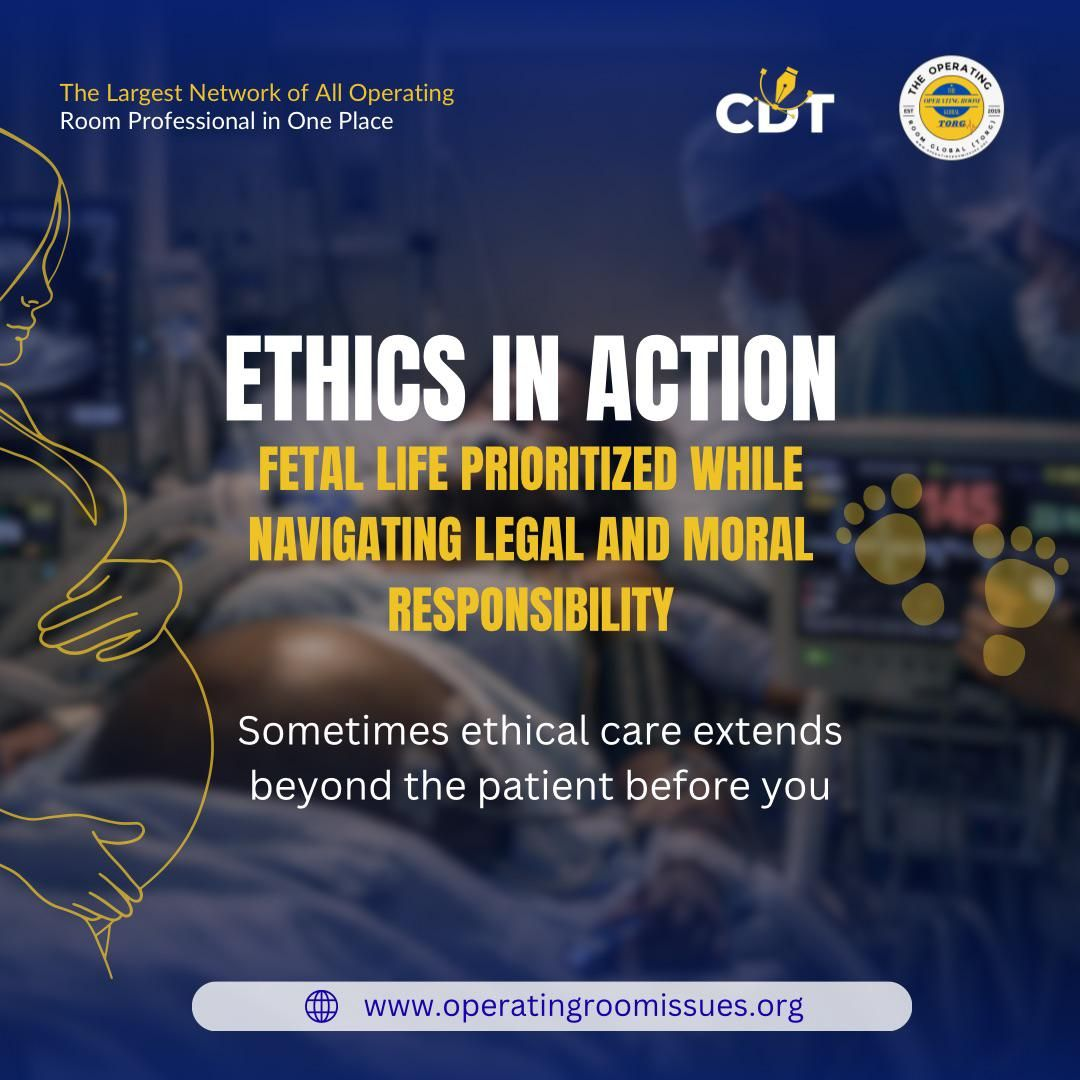
𝙀𝙩𝙝𝙞𝙘𝙖𝙡 𝘼𝙣𝙖𝙡𝙮𝙨𝙞𝙨 𝙤𝙛 𝘼𝙙𝙧𝙞𝙖𝙣𝙖 𝙎𝙢𝙞𝙩𝙝’𝙨 𝘾𝙖𝙨𝙚
This case cannot be ethically assessed without recognizing the fetus as a second morally relevant patient. Once brain death was declared, continued somatic support was no longer intended to benefit Adriana Smith herself, but to prevent intrauterine fetal death and preserve the possibility of fetal survival. From this standpoint, the intervention aligns with non-maleficence by avoiding harm to a developing life, and beneficence by maximizing the chance of a live birth.
Within the legal context of Georgia, where fetal protection is strongly emphasized, sustaining somatic support also provided institutional legal clarity. While legal considerations likely influenced the institutional response, ethical justification must remain grounded in professional principles rather than statutory pressure alone. In this case, the decision reflects a context-specific balance between ethical duty to the fetus, legal responsibility, and surgical feasibility.
Autonomy remains complex. While the patient could no longer express wishes, the absence of documented refusal and the potential role of surrogate decision-makers suggest that autonomy may not have been violated, but ethically deferred in favor of preserving fetal life.
For OR professionals globally, this case underscores important realities: jurisdictions differ in how fetal moral status is defined; resource availability influences the feasibility of prolonged somatic support; and cultural perspectives on maternal-fetal conflict vary widely. Ethical care in surgery must therefore remain principled, context-aware, and globally informed.
𝐉𝐨𝐢𝐧 𝐎𝐮𝐫 𝐆𝐥𝐨𝐛𝐚𝐥 𝐂𝐨𝐦𝐦𝐮𝐧𝐢𝐭𝐲!
The Operating Room Global (TORG)
𝑇ℎ𝑒 𝐿𝑎𝑟𝑔𝑒𝑠𝑡 𝑁𝑒𝑡𝑤𝑜𝑟𝑘 𝑜𝑓 𝑎𝑙𝑙 𝑂𝑝𝑒𝑟𝑎𝑡𝑖𝑛𝑔 𝑅𝑜𝑜𝑚 𝑃𝑟𝑜𝑓𝑒𝑠𝑠𝑖𝑜𝑛𝑎𝑙𝑠 𝑖𝑛 𝑂𝑛𝑒 𝑃𝑙𝑎𝑐𝑒!
https://linktr.ee/operatingroomissues
#TORG #theoperatingroomglobal #operatingroomissues #GlobalSurgery #MedicalEthics #MedicoLegalCases